
What Should You Look for on an Apartment Tour — and What Should You Ask?
What to look for when renting an apartment, the questions to ask on a tour, and a simple apartment viewing checklist for renters in Minneapolis.
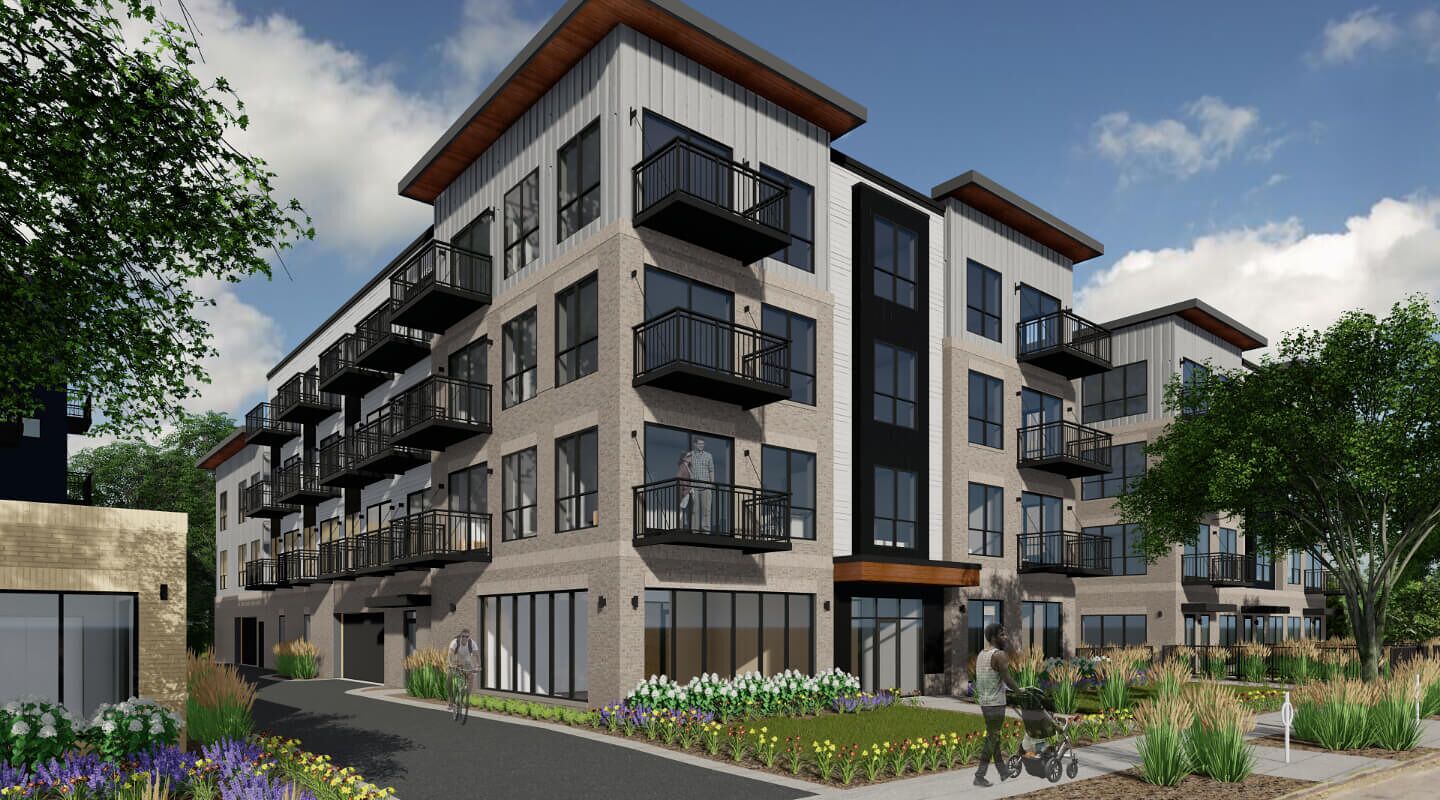
What should you look for and ask on an apartment tour?
Look past the staging: check the unit’s condition, light, noise and storage, then the building and the block around it. Ask about the full monthly cost, the lease terms, how maintenance works and how the building handles winter. That covers what to look for when renting an apartment, and the checklist below keeps you on track.
Key takeaways
- Test water, outlets, windows and cell signals in the unit.
- Walk the halls, entry and shared spaces, not just the model.
- Ask for the full monthly cost, including every fee.
- Ask how heat, snow removal and winter parking work.
- Check the city’s rental license and disclosure info before signing.
What Should You Look for When Renting an Apartment?
When you’re deciding what to look for when renting an apartment, judge three layers: the unit itself, the building around it and the block outside. A unit can show well and still sit in a building with slow maintenance or on a street that’s loud at night. Give each layer a few minutes on your tour.
Inside the Unit
Inside the unit, test things instead of just looking at them:
Run the faucets and shower to check water pressure and how fast hot water arrives
Open and close windows and doors to make sure they latch and lock
Plug your phone into a few outlets
Check for water stains, musty smells or signs of pests under sinks and in closets
Look at closet and storage space, and measure where your bed and couch would go
Check your phone’s cell signal in each room
Model units can differ from the one you’d actually rent, so ask to see your specific unit or the same floor plan.
In the Building and Shared Spaces
The building tells you how the place is run. Walk the hallways, entry, mail and package area, laundry and trash rooms, and notice whether they’re clean, lit and secure. Check how guests and deliveries get in, and whether elevators and doors work smoothly.
Shared spaces vary between buildings, so ask which ones you’d actually have access to. At Sawyer & Huck, for example, the idea is “lease at one, live at both”: two buildings a block apart on 2nd Street NE, one leasing team and two rooftop decks. You can see the full list of amenities before you visit.
Around the Block
Step outside before you leave. Walk the route you’d take to work, transit or groceries, and listen for traffic, nightlife or construction noise. Check how far the nearest bus stop, grocery store and park are on foot, and whether the walk feels comfortable. Note where you’d store a bike or stroller, too.
What Questions Should You Ask on an Apartment Tour?
The most useful questions to ask on an apartment tour are the ones a listing can’t answer: what you’ll really pay, how the lease works, how problems get fixed and how the building handles a Minnesota winter. Ask them directly, and listen for clear, specific answers. Vague answers are worth a follow-up.
Questions About Cost and the Lease
Start with money, because the advertised rent often isn’t the whole story.
What’s the total monthly cost once required fees are added?
Which utilities are included, and what do residents usually pay for the rest?
What’s the security deposit, and are there move-in or amenity fees?
How long is the lease, and what happens at renewal?
What are the rules for subletting or ending the lease early?
Are pets allowed, and what do they cost?
Ask for the fee schedule in writing, so the numbers don’t change between the tour and the lease.
Questions About Maintenance and Management
These questions tell you what living there is like after move-in day.
How do residents submit maintenance requests, and how quickly are they usually handled?
Who handles emergencies at night or on weekends?
Is there on-site staff, and when?
How are residents told about repairs, water shutoffs or building work?
How are noise or neighbor issues handled?
If you can, ask a current resident how quickly requests actually get fixed.
Questions About Minnesota Winters
In Minneapolis, winter questions matter as much as the floor plan. Ask:
How is the unit heated, and can you control the temperature?
Are windows and doors well sealed against drafts?
Who clears snow and ice from sidewalks, entries and parking areas?
Where do residents park in winter, and what happens during a city Snow Emergency?
Is there heated or covered parking, and is it extra?
During a Snow Emergency, Minneapolis limits street parking so crews can plow, which makes off-street options worth asking about.
What Should You Check Before You Sign in Minneapolis?
Before you sign, check the building’s public record, not just what you saw on the tour. Many Minnesota cities require rental licenses, and the Minnesota Attorney General’s office suggests confirming with the local government that a home is licensed. In Minneapolis, you can search active rental licenses, including each property’s license tier, on Open Data Minneapolis.
Minneapolis also has a Renter Rights Mandatory Disclosures ordinance. Before you sign a lease, the owner must share contact information for the owner or manager, the property’s rental license tier status, any open orders to correct any violations, and a link to the City’s rental properties dashboard. Under the ordinance, a renter who doesn’t get this information before signing can end the lease after giving proper notice.
The City also publishes the checklist its inspectors use for rental properties, which makes a useful guide for your own walk-through.
Apartment Viewing Checklist: What to Bring and Do
An apartment viewing checklist keeps every tour consistent, so you can compare places fairly. Bring a few simple tools and follow the same steps each time:
Photo ID, in case the building asks for it
A tape measure for furniture and window sizes
Your list of questions, printed or on your phone
A notes app or notebook to score each place on the same points
Your all-in monthly budget, so you know your limit
Score each place right after you leave, while details are fresh
The easiest way to use this checklist is on a real tour. If you’re looking in Northeast Minneapolis, you can schedule a tour of Sawyer & Huck, bring your questions and test everything on this list.
Our leasing team can answer them on the spot, with no pressure to decide that day.
Conclusion
A good apartment tour is a test, not a showing. Check the unit, the building and the block, ask about cost, the lease, maintenance and winter, and confirm the city’s license and disclosure details before you sign. Bring the same checklist to every tour, and the right choice gets much easier to see.
Frequently asked questions
How long should an apartment tour take?
Give yourself enough time to test fixtures and get through your questions without rushing. If you’re seeing several places in one day, leave a gap between tours so they don’t blur together.
Is a virtual tour as good as an in-person tour?
A virtual tour is useful for narrowing your list, but it can’t show you noise, smells or how the block feels. If you can’t visit, ask the leasing team to test fixtures on camera and show the hallways and entry live.
Should you tour more than one unit in the same building?
Yes, if you can. Units on different floors or sides of a building can differ in light, views and noise, so seeing two or three helps you choose the right unit, not just the right building.
What’s the best time of day to tour an apartment?
Daylight is best for judging natural light and spotting wear, but an evening visit shows you noise and how the area feels after dark. If a place makes your shortlist, try to see it at both times.
What should you bring to apply after a tour?
Have a photo ID, proof of income such as recent pay stubs or an offer letter, and contact details for references ready. Ask the leasing team for the exact list, since requirements vary by property.
What happens to my screening fee if the landlord doesn’t screen me?
Under Minnesota law, if a landlord doesn’t run a reference check or get a credit or tenant screening report, they must return any part of the screening fee not used for those purposes. A landlord also can’t collect a screening fee until earlier applicants have been screened and rejected, or offered the unit and declined (Minnesota Attorney General’s office).
How long does a landlord have to tell you an application was rejected?
In Minnesota, a landlord must notify an applicant within 14 days of rejecting a rental application and identify the criteria the applicant didn’t meet (Minnesota Attorney General’s office). If you don’t hear back, it’s fair to follow up and ask where your application stands.
What is a pre-lease deposit?
A pre-lease deposit is money you pay to hold a unit before signing. In Minnesota, if you and the landlord sign a rental agreement, that deposit must be applied to your security deposit or rent (Minnesota Attorney General’s office).